In today’s fast-paced digital environment, small business automation is essential for enhancing efficiency, reducing manual tasks, and driving growth. According to a survey by the U.S. Chamber of Commerce and Teneo, nearly all small businesses (98%) are using AI-enabled tools, with 40% utilizing generative AI tools like chatbots and image creation. These tools help small businesses save on personnel costs and increase efficiency, enabling them to save time and grow their business.
By integrating the right tools and strategies, businesses can save time and grow, positioning themselves competitively in their respective markets.
What Is Business Automation?
Business automation involves leveraging technology to perform recurring tasks or processes in a business where manual effort can be replaced. This encompasses a range of activities, from CRM and automation to invoicing and customer communications. By automating these processes, businesses can streamline operations, reduce errors, and allocate resources more effectively.
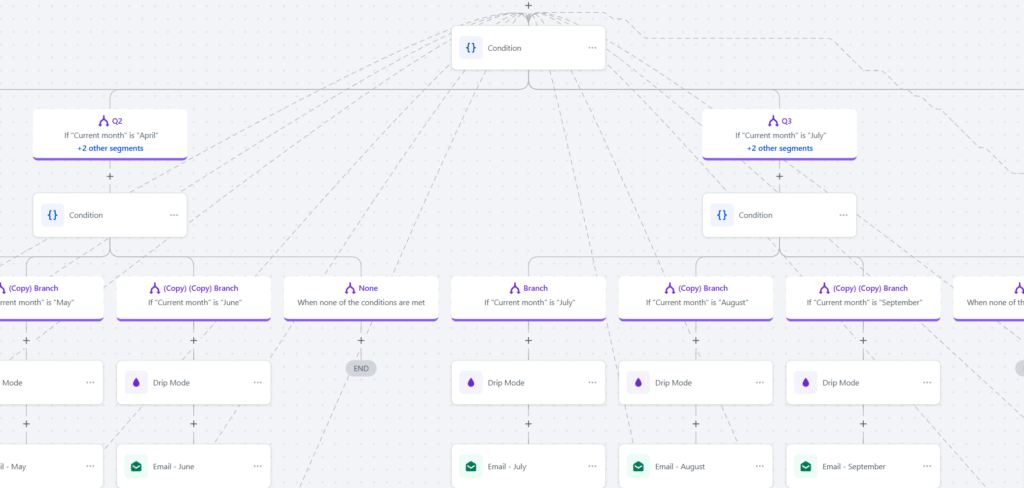
Key Areas Where Automation Makes an Impact
Implementing business automation tools can revolutionize various facets of your operations:
1. Client Communication
Automate emails and SMS reminders to follow up with leads, send updates, and confirm appointments, ensuring consistent and timely communication.
2. CRM and Workflow Management
Utilize workflow automation software to automatically tag leads, move them through your sales pipeline, and create follow-up tasks based on specific triggers.
3. Scheduling and Bookings
Allow clients to book services online 24/7 with calendar integrations and auto-reminders, reducing no-shows and enhancing customer satisfaction.
4. Marketing Campaigns
Deploy marketing automation tools to schedule social media posts or send drip campaigns, keeping your brand top-of-mind for potential customers.
5. Invoicing and Payments
Set up recurring invoices and reminders, ensuring timely payments and reducing the administrative burden on your team.
Benefits of Embracing Business Automation
Adopting small business automation offers numerous advantages, including time savings, improved accuracy, enhanced client experience, and scalability. For instance, businesses that automate workflows can reduce operational costs by up to 30%, according to McKinsey.
Time Savings: Automating routine tasks frees up valuable time for strategic planning and decision-making.
Improved Accuracy: Automation minimizes human errors, ensuring consistency and reliability in operations.
Enhanced Client Experience: Timely follow-ups and personalized communications foster stronger client relationships.
Scalability: As your business grows, automation allows you to handle increased workloads without proportionally increasing staff.

Getting Started with Business Automation
To effectively automate business processes, consider the following steps:
Identify Repetitive Tasks: List out tasks that are time-consuming and repetitive, such as data entry or appointment scheduling.
Choose the Right Tools: Select business automation tools that align with your specific needs, whether it’s CRM automation or invoicing software.
Implement Gradually: Start with automating one or two processes to ensure a smooth transition and allow for adjustments.
Monitor and Adjust: Regularly review the performance of automated processes and make necessary tweaks to optimize efficiency.
Common Missteps to Avoid
While business automation offers numerous benefits, be wary of these common pitfalls:
Over-Automation: Automating too many processes at once can lead to confusion and errors.
Neglecting Human Oversight: Automation should complement human efforts, not replace them entirely. Regular oversight ensures quality and relevance.
Ignoring Feedback: Failing to gather and act on feedback can result in automated processes that don’t meet user needs.
Frequently Asked Questions About Business Automation
Q1: What’s the best way to start with automation?
Begin by identifying the most repetitive and time-consuming tasks within your business. Choose automation tools that address these specific needs and start with one or two processes to automate. Gradually expand as you become more comfortable with the tools.
Q2: Can small businesses afford automation tools?
Yes, many automation tools are designed with small businesses in mind and offer scalable pricing models. Additionally, the time and cost savings achieved through automation can offset the initial investment.
Q3: How do I measure the success of automation?
Key performance indicators (KPIs) such as time saved, error reduction, customer satisfaction, and return on investment (ROI) can help measure the effectiveness of automation efforts.
Conclusion
Embracing business automation is a strategic move that can significantly enhance efficiency and scalability. By carefully selecting the right tools and processes to automate, businesses can streamline operations, save time, and position themselves for sustainable growth.
Ready to transform your business operations?
Explore our range of business automation tools designed to help you automate business processes and achieve your growth objectives.