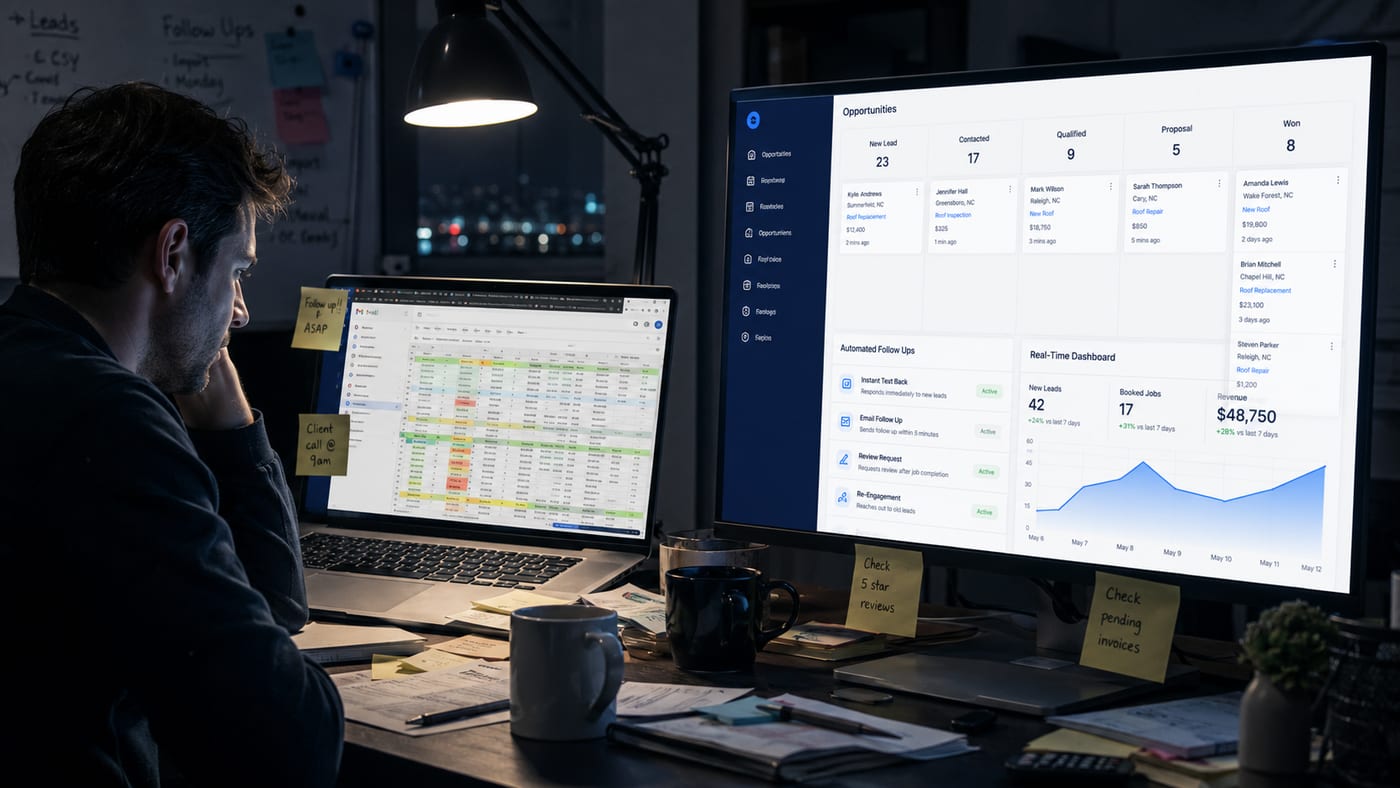
A homeowner in Jerome fills out your contact form on Monday morning requesting an HVAC estimate. You send a quick response and plan to follow up Wednesday. By Tuesday afternoon, three more leads come in from Twin Falls and Kimberly. You respond while juggling service calls across the Magic Valley. Friday arrives, and you realize you forgot about Monday’s Jerome lead. They’ve already hired a competitor.
This scenario happens to Magic Valley service businesses every single day. Plumbers, roofers, landscapers, and contractors aren’t losing leads because they don’t care. They’re losing them because manually managing every customer interaction becomes impossible when you’re actually running service calls from Buhl to Gooding.
Lifecycle automation solves this by managing customer interactions at every stage without requiring you to remember every detail. From the moment someone in Twin Falls discovers your company to when they become a repeat customer recommending you to neighbors, automation ensures nothing falls through the cracks. It’s not about replacing your personal service. It’s about making sure that personal touch happens consistently, even when you’re on a job site.
This guide explains what lifecycle automation is, why manual processes fail growing Magic Valley businesses, which workflows benefit most from automation, and how to know if your company is ready for it.
Why Manual Customer Management Fails Growing Businesses
The Hidden Costs of Spreadsheets and Sticky Notes
Most Magic Valley service businesses start simple. A spreadsheet tracks leads from Twin Falls and Jerome. Sticky notes remind you to follow up with that Kimberly homeowner. Calendar alerts tell you when past customers in Filer need seasonal maintenance. This works fine with five active leads and twenty customers. It completely breaks down when you’re getting twenty leads monthly and managing two hundred customers across the region.
The first cost is time. Manually tracking where each customer sits requires constant attention. You spend 30 minutes every morning reviewing notes and deciding who needs contact today. That’s 2.5 hours weekly spent on coordination instead of actually running service calls or bidding new jobs.
The second cost is missed opportunities. When a Twin Falls homeowner requests a quote and four other HVAC contractors respond within two hours, while you respond the next day, you’ve already lost a competitive advantage. Research shows that 46% of small businesses don’t know if their marketing actually works because they can’t track what happens after initial contact.
The third cost is inconsistency. Your best customer in Jerome gets excellent follow-up. Your newest lead in Gooding gets forgotten for two weeks because you got busy with emergency calls. Customers who feel ignored don’t complain to Magic Valley contractors. They just call someone else.
When Good Intentions Meet Reality: The Follow-Up Gap
Every contractor knows follow-up matters. The challenge isn’t understanding the importance. The challenge is execution when you’re driving between job sites from Twin Falls to Buhl, answering service calls, managing crews, and handling the dozen other hats small business owners wear.
Industry data shows 69.57% of online inquiries get abandoned without follow-up, and most never return. For Magic Valley service businesses, a lead that doesn’t hear from you within 24 hours is three times more likely to choose a competitor. Yet manual systems rarely maintain that speed consistently.
The gap appears in three specific scenarios. First, the busy period: during peak season, when every HVAC contractor in Twin Falls is slammed, new leads wait days for responses. Second, the timing challenge: a homeowner in Jerome submits a form at 8 PM, and you don’t see it until 10 AM, giving competitors a 14-hour head start. Third, memory failure: you genuinely intend to follow up in three days, but those three days arrive during your busiest week.
Lifecycle automation eliminates the gap between intention and execution. When a lead comes in from Kimberly at 8 PM, an automated response acknowledges their inquiry immediately. When three days pass, an automated follow-up is sent without you remembering. When a Filer customer reaches 90 days since their last service, automated check-in prompts them to schedule maintenance.
What is Lifecycle Automation and How Does It Work?
Breaking Down the Customer Lifecycle into Manageable Stages
The customer lifecycle describes the complete journey someone takes with your Magic Valley business, from first hearing about your plumbing company to becoming the customer who recommends you to three neighbors in Twin Falls.
Lifecycle automation means creating systems that guide people through each stage automatically based on their actions. Most businesses work with five core stages:
Awareness: when someone discovers your company
Consideration: comparing you against other Magic Valley contractors
Purchase: becoming a paying customer
Retention: keeping them satisfied
Advocacy: when they refer others
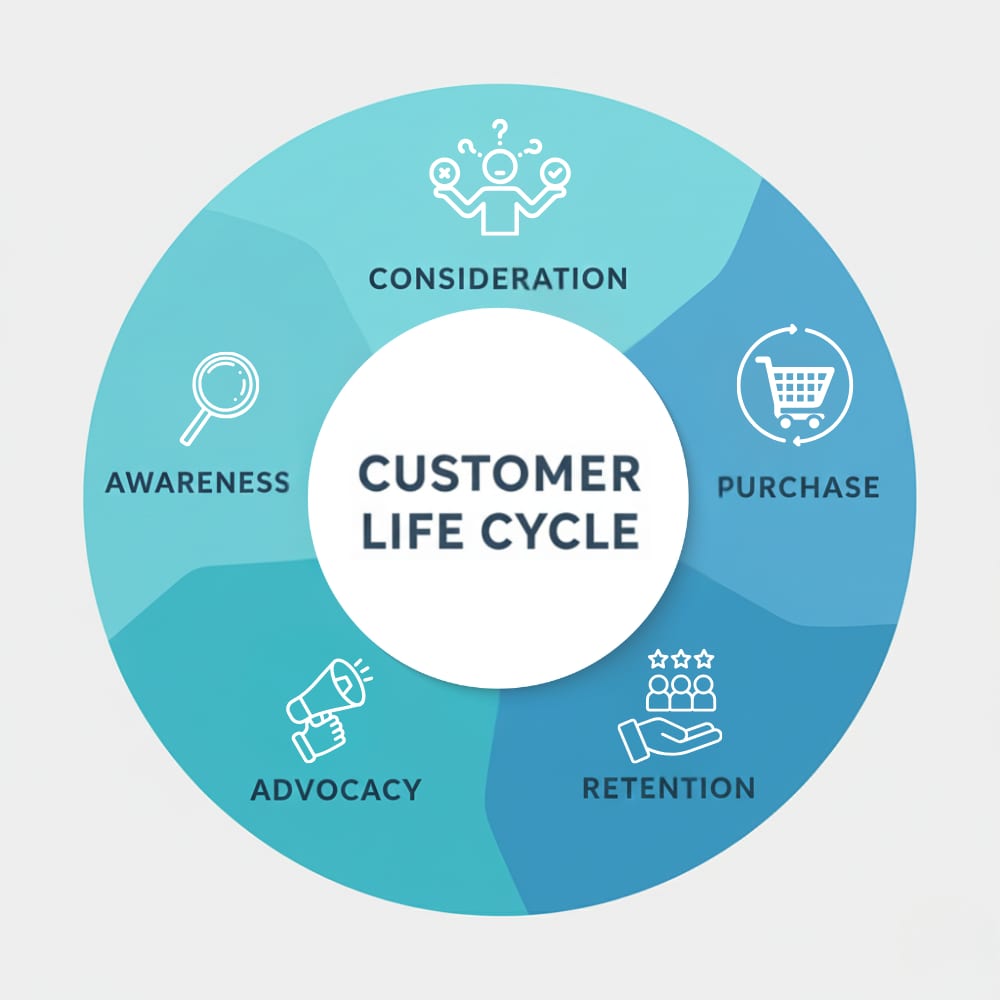
Manual management treats each stage separately. You might send marketing emails to new Twin Falls leads, then completely change communication once they hire you for that roofing project. Lifecycle automation recognizes that each stage flows naturally into the next, and your communication should reflect that journey.
Here’s how it works practically for a Jerome HVAC contractor. When someone fills out a contact form, the system tags them as “awareness stage” and sends educational content about common heating problems. When they click your pricing link three times, the system recognizes elevated interest and moves them to the “consideration stage,” triggering case studies from other Magic Valley customers. When they book a service, the system shifts to “retention stage” with maintenance reminders and seasonal check-ins.
The power lies in automatic progression based on behavior. The system observes actions and adjusts communication, ensuring everyone receives relevant information at the right time without you manually managing each relationship.
The Difference Between Marketing Automation and Lifecycle Automation
Many Magic Valley business owners confuse these terms. Marketing automation focuses specifically on attracting and converting leads into customers. It handles email campaigns, lead nurturing, and social media. It typically stops once someone becomes a customer.
Lifecycle automation encompasses the entire customer relationship, including everything after they hire your Twin Falls landscaping company. It manages onboarding, providing ongoing value, identifying opportunities for additional services, preventing customers from disappearing, requesting reviews, and encouraging referrals to their Kimberly neighbors.
Think of it this way: marketing automation asks, “How do we get more customers in the Magic Valley?” Lifecycle automation asks, “How do we guide someone through their entire relationship with our company?” A plumbing business using only marketing automation might excel at generating leads from Twin Falls and Jerome, but struggle with retention because no systems nurture existing customers.
Platforms like LeadProspecting AI integrate both concepts, helping Magic Valley service businesses attract new leads while nurturing existing customer relationships through the complete lifecycle. This matters particularly for seasonal businesses common in our region, where maintaining customer relationships during slow periods determines success.
Which Business Processes Benefit Most from Lifecycle Automation?
Lead Nurturing: Turning Prospects into Customers Automatically
Most Magic Valley homeowners aren’t ready to hire immediately. Someone in Twin Falls requests information about roof replacement today, but they won’t make a decision for two months. Without automated nurturing, that leads either to forgetting about your company or choosing whichever contractor stays top-of-mind.
Lead nurturing automation maintains consistent, valuable communication without manual effort. When a Jerome homeowner downloads your pricing guide, an automated sequence begins. They receive a thank-you email immediately. Three days later, they get a case study from another Magic Valley customer. One week after that, they receive answers to common questions about projects in Idaho’s climate. Throughout this sequence, the system monitors engagement.
The effectiveness comes from personalization at scale. If a Kimberly lead clicks your pricing link multiple times, the next automated email might offer a free consultation. If they ignore three emails, the system switches content approach or pauses to avoid annoying them.
Service businesses in Twin Falls particularly benefit from lead nurturing. When someone requests quotes from five different HVAC contractors, an automated sequence that sends customer reviews from Jerome and Filer, explains your process, and shares educational content positions you as the expert. By the time you call for follow-up, they’re already predisposed to choose your company because automation has built trust.
Customer Retention: Keeping Clients Coming Back Without Extra Effort
Most Magic Valley contractors focus on acquiring new customers while losing existing ones through neglect. Acquiring a new customer costs significantly more than retaining an existing one, yet many service businesses don’t systematically work on retention.
Customer retention automation creates touchpoints that keep you relevant. When a Twin Falls homeowner completes their first service, automated onboarding ensures they understand maintenance recommendations. Thirty days later, the automated check-in asks about their experience. Ninety days after service, an automated email suggests seasonal maintenance they might need.
The benefit extends beyond staying in touch. Automation identifies at-risk customers before they leave. If a Gooding customer who normally schedules annual HVAC maintenance hasn’t called in 13 months, the system flags them and triggers a re-engagement campaign. If engagement drops (they stop opening emails), automation triggers a personalized message.
For Magic Valley service businesses with seasonal patterns, retention automation excels. A customer’s furnace was serviced last October, and an automated reminder in September prompts them to schedule this year’s maintenance before winter hits. These touchpoints happen automatically based on data, ensuring consistent retention efforts even during your busiest seasons.
Tools like LeadProspecting AI help Twin Falls and regional businesses implement retention automation without requiring technical expertise, making it accessible even if you’re not a marketing specialist.
How to Know If Your Business Is Ready for Lifecycle Automation
Three Signs You’ve Outgrown Manual Processes
Sign one: You’re losing track of leads across the Magic Valley.
If you regularly discover old leads in your spreadsheet from Jerome or Buhl that never received follow-up, or if Kimberly customers reach out asking why they haven’t heard from you in months, your manual system can’t keep pace. When you have more relationships than you can hold in your head simultaneously, automation becomes necessary.
Sign two: Your communication is inconsistent.
Some Twin Falls customers receive excellent follow-up because you remember them. Others in Filer receive sporadic contact because you forget during busy periods. If you can’t honestly say every lead gets the same attention regardless of when they contact you, automation creates the consistency your manual process lacks.
Sign three: You’re spending hours weekly on repetitive tasks.
If you’re manually sending similar emails to different customers, copying and pasting responses to common questions from Magic Valley homeowners, or scheduling follow-up reminders for dozens of contacts, you’re doing work automation handles instantly.
A secondary indicator is growth stagnation. Many service businesses in Twin Falls and Jerome reach a plateau where they can’t grow further because manual processes consume all available time. Automation breaks through this ceiling by handling routine communication automatically, freeing your time to serve more customers.
What to Prepare Before Implementing Automation Tools
Successful automation requires foundation preparation. Starting with clean, organized data makes automation effective from day one. If your contact information is scattered across spreadsheets, sticky notes, and memory, consolidating everything into one database is step one. You need basic information like contact name, email, phone number, and a note about where they are in their journey.
Mapping your current customer journey comes next. Write down every touchpoint between first contact and loyal customer for your Magic Valley business. When do Twin Falls homeowners typically first hear about your company? What information do Jerome prospects need during consideration? What happens immediately after you complete a service call in Kimberly? Understanding your current process reveals exactly which pieces should be automated.
Setting clear goals helps measure success. Are you trying to reduce time spent on follow-up? Improve lead conversion rates across the Magic Valley? Focus on customer retention so Filer and Buhl customers keep calling you back? Different goals emphasize different automation workflows.
Finally, accepting that automation complements rather than replaces personal interaction is crucial. Automation handles timing, consistency, and routine communication. You still handle relationship-building conversations, providing estimates, completing service work, and delivering the specialized expertise that makes your Twin Falls or Jerome business valuable. The goal isn’t removing yourself from customer relationships. It’s ensuring routine tasks happen automatically so you have more time for high-value personal interactions.
Bottom Line
Lifecycle automation transforms how Magic Valley businesses manage customer relationships by creating consistent communication throughout the customer journey. Manual processes work initially but fail as businesses grow, leading to missed opportunities across Twin Falls, Jerome, and the region. Automation handles timing and consistency while you focus on delivering excellent service. Whether your contracting business needs better lead nurturing, stronger customer retention, or simply wants to stop losing track of follow-ups, lifecycle automation provides scalable systems. The question isn’t whether automation could help your Magic Valley business. The question is whether you can afford to keep managing everything manually while competitors respond faster.
Frequently Asked Questions
What is lifecycle automation and how does it help Magic Valley service businesses?
Lifecycle automation manages customer interactions from first contact to loyal repeat customer, adjusting communication based on behavior and stage. For Twin Falls contractors, plumbers, and HVAC companies, this means automated follow-up when Jerome homeowners request quotes, maintenance reminders for Kimberly customers, and re-engagement campaigns for past clients across the region. It ensures consistent communication even during your busiest seasons.
How much does lifecycle automation cost for small businesses in Twin Falls?
Costs range from $40-100 monthly for basic tools to $300-500 for comprehensive platforms. However, the real question is ROI. For Magic Valley service businesses, automation that saves 10 hours weekly and converts even one additional customer monthly from Twin Falls, Jerome, or Filer typically pays for itself many times over through increased efficiency and revenue.
Do I need technical skills to set up lifecycle automation for my contracting business?
Most modern platforms are designed for non-technical users with visual builders and templates. While a learning curve exists, you don’t need coding skills. Many platforms offer setup assistance and pre-built workflows for service businesses common in the Magic Valley, making implementation accessible even if you’re not tech-savvy. LeadProspecting AI specifically supports Twin Falls businesses with guidance.
Can lifecycle automation work for HVAC contractors and plumbers in Twin Falls?
Absolutely. Service businesses like HVAC contractors, plumbers, roofers, and landscapers benefit tremendously from automated appointment reminders, follow-up after service calls, seasonal maintenance reminders for Idaho’s climate, review requests, and referral encouragement. The relationship-based nature of Magic Valley service businesses makes automation more valuable than for simple product transactions.
How long before my Jerome or Kimberly business sees results from automation?
Quick wins often appear within 30-60 days as immediate response times improve and follow-up becomes consistent across the Magic Valley. Meaningful impact, like increased conversion rates and improved retentio,n typically shows within 3-6 months as automated workflows nurture relationships through complete cycles. Results depend on how well automation aligns with your customer journey.
Will automation make my Twin Falls business feel impersonal to Magic Valley customers?
When implemented correctly, automation makes your business feel more attentive. Customers in Jerome, Filer, and throughout the region appreciate timely responses, consistent follow-up, and relevant information. Automation ensures these touchpoints happen reliably while freeing your time for deeper personal conversations. The goal is consistent personalization at scale, not removing the human connection that Magic Valley customers value.
What customer interactions should Twin Falls contractors automate versus handle personally?
Automate routine communications like initial inquiry responses, appointment reminders for service calls across Twin Falls and Jerome, follow-up sequences, and seasonal maintenance reminders. Handle personally complex problem-solving, detailed estimates, situations with upset customers, and relationship-building discussions. The rule: automate consistency and timing, personalize conversations requiring judgment or the personal touch Magic Valley customers expect.
Keep Learning: Related Resources
Want to dive deeper into lifecycle automation and customer management for your Magic Valley business? These related articles can help you build on what you’ve learned here:
- Twin Falls Businesses Are Missing Out on CRM Automation – Here’s How to Fix It – Discover how CRM automation transforms Twin Falls businesses and helps you manage customer demand while staying competitive across the Magic Valley.
- Twin Falls Needs Better Email Marketing. Here’s How Local Brands Can Compete Online – Master email automation strategies specifically designed for Magic Valley businesses to stay top-of-mind with customers in Jerome, Kimberly, and throughout the region.
- 5 High-ROI Automations Every Small Business Should Steal – Implement proven automation workflows that save hours weekly and help you capture more leads across Twin Falls and the Magic Valley.
- Cold Lead Automation That Converts: Proven Email & SMS Strategies to Reignite Sales – Learn how to re-engage cold leads from across the Magic Valley with automated sequences that bring customers back.
- GHL vs HubSpot in 2025: Which CRM Should You Actually Use? – Compare CRM platforms and find the right automation solution for your Magic Valley service business.
- Sales Funnel Automation: The Ultimate 2025 Guide to Growing Your Small Business Fast – Build a complete automated sales funnel that converts Magic Valley prospects into loyal customers.
- Smart Ways to Use All-in-One Lead Generation Tools Without Overwhelm – Get practical guidance on adopting automation tools without technical complexity, perfect for busy Magic Valley contractors.
Each article tackles a specific aspect of automation and customer relationship management for Magic Valley businesses. For field service contractors and home service providers looking for specialized automation solutions, our partner FieldServ AI offers industry-specific tools designed specifically for HVAC, plumbing, roofing, and landscaping professionals across southern Idaho.