Referrals are the best leads. They cost less, convert faster, and stay longer. Yet most small businesses wait for satisfied customers to spontaneously recommend them, hoping word-of-mouth magically happens.
Your competitors aren’t hoping. They’re building systematic referral programs generating 40+ qualified leads monthly without awkward asks or begging for reviews. The difference comes down to three things: identifying the right referral partners beyond just customers, creating incentive structures that motivate action, and implementing technology that automates tracking and payouts.
The business owners generating six-figure referral revenue aren’t doing anything magical. They’ve systemized what most businesses leave to chance. Here’s how to build your referral machine in the next 30 days.
Why Great Service Doesn’t Automatically Generate Referrals
The Myth That Happy Customers Refer Without Being Asked
You deliver excellent work. The customer loves you. They post a glowing review. Then nothing happens. No referrals. No introductions.
The reality: 83% of satisfied customers are willing to refer, but only 29% actually do. The gap isn’t satisfaction, it’s friction. Your customers aren’t thinking about your business when they’re talking to friends. They’re busy running their own operations and managing their own problems. Even when referral opportunities appear, they don’t connect the dots unless you’ve made it incredibly easy.
The awkwardness factor kills potential referrals before they start. Nobody wants to feel like they’re pushing a sales pitch onto colleagues. Without a clear, non-awkward way to make introductions, your best customers stay silent. Then there’s the incentive problem: why should someone spend their social capital recommending you when there’s nothing in it for them? Businesses that structure referral rewards see 3-5x higher referral rates than those relying solely on goodwill.
What Successful Businesses Do Differently to Generate Consistent Referrals
Companies generating consistent referral revenue make referring easy, rewarding, and systematic rather than accidental.
They provide specific tools that eliminate awkwardness. Instead of hoping customers mention them in conversation, they create shareable assets like free audits or assessments. “Here’s a free website audit my CRM guy does” feels helpful, not salesy. Second, they build incentive structures with recurring commissions rather than one-time payments. A partner earning $50-$100 monthly from a single referral they made six months ago stays motivated to find more opportunities.
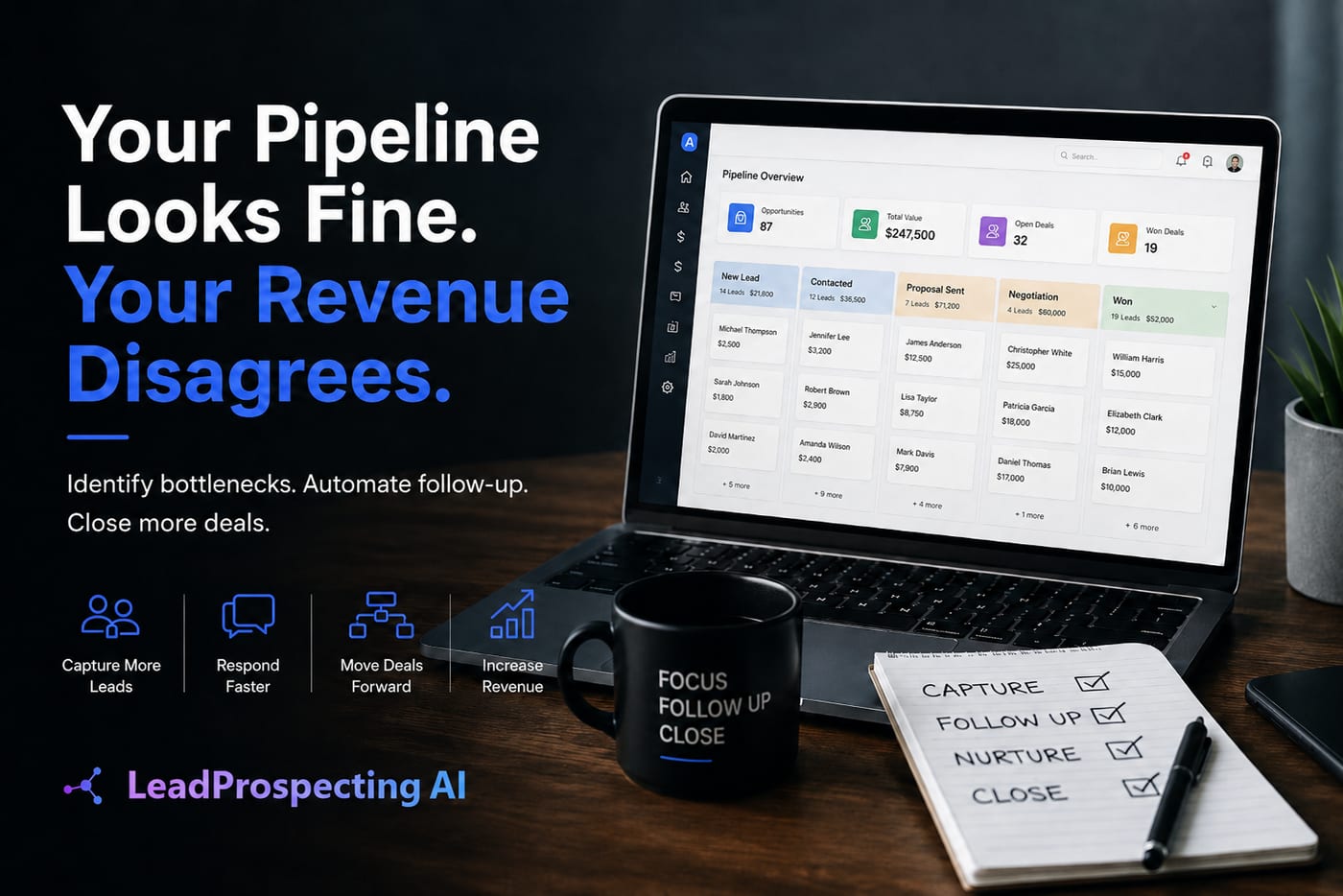
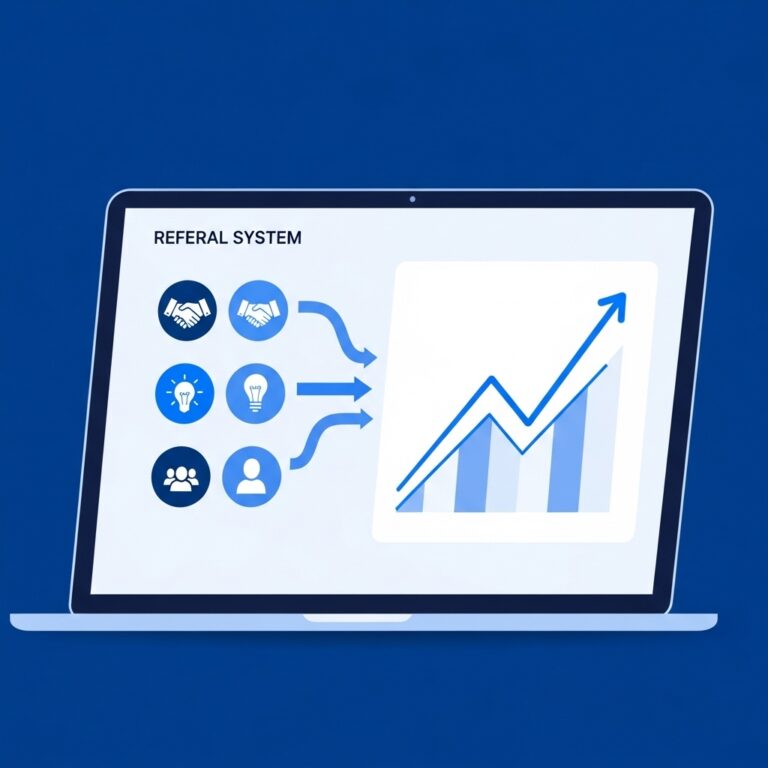
Third, they automate everything so partners track performance in real-time. When referral partners log into dashboards showing exactly how many people clicked their link, how many became customers, and how much they’ve earned, engagement skyrockets. Transparency builds trust, and trust generates more referrals. Platforms like LeadProspecting AI provide white-labeled referral systems where businesses deploy these frameworks under their own branding, handling tracking, attribution, calculations, and payouts automatically.
The Four Components of Referral Programs That Actually Generate Revenue
How to Identify Who Should Be Your Referral Partners (It’s Not Just Customers)
Most businesses make a critical mistake: they only think about customer referrals. The highest-performing programs tap into four partner categories that competitors ignore completely.
Supply chain partners represent your most overlooked opportunity. If you’re a contractor, your supply house has relationships with hundreds of other contractors. If you’re a dentist, your lab connects to dozens of practices. These partners serve the same customers and are already trusted advisors. One supply house referring your HVAC company to 10 contractors monthly generates more qualified leads than months of paid advertising.
Complementary service providers offer natural partnerships. A plumber doesn’t compete with an electrician, but they serve the same homeowners. A web designer doesn’t compete with a copywriter. When you identify non-competing businesses serving your ideal customer, you’ve found referral gold. Industry groups and associations maintain member directories and host networking events designed to facilitate connections. Trade schools, chambers of commerce, and online communities amplify your reach exponentially.
Existing customers work best with structured incentives and easy sharing tools. LeadProspecting AI’s affiliate program lets supply houses, trade partners, and clients earn recurring monthly commissions by sharing free audit links instead of making awkward pitches. Start by mapping 20-30 potential partners across these four categories. You probably already know most of them.
Creating Referral Incentives That Motivate Without Breaking Your Budget
The wrong incentive structure either fails to motivate or costs more than referrals are worth. The right structure turns partners into consistent revenue generators while maintaining healthy margins.
Percentage-based commissions scale with your pricing and ensure you never pay more than the referral is worth. Common structures range from 10-30% of first month revenue for subscription businesses, or 5-15% of project value for one-time services. A 15% commission on a $1,000 project costs $150, but that customer might be worth $10,000 in lifetime value.
Recurring commissions create long-term engagement that one-time payments can’t match. When a partner earns $50-$100 monthly from a customer they referred six months ago, they stay motivated. LeadProspecting AI’s model pays partners $19-$87 monthly per customer depending on subscription tier, creating compound income as referrals accumulate. The math works because customer lifetime value far exceeds acquisition costs. If your average customer generates $5,000 over 18 months, paying a partner $500 total still leaves $4,500 in margin you wouldn’t have without the referral.
Verification holds protect you from paying commissions on customers who cancel immediately. Most programs include 30-90 day holds before paying first commissions, ensuring the customer is real and staying. The key is matching incentives to what motivates each partner category while maintaining profitability.
The Technology Gap: Why Spreadsheets Kill Referral Programs
What Happens When You Try to Track Referrals Manually
You launch with enthusiasm. A partner sends someone your way. The customer mentions the referral during the sales call. You write it down. Two months later, you’re trying to remember who referred whom, whether they became a paying customer, and how much commission you owe.
This scenario kills 70% of referral programs within six months. Manual tracking creates operational nightmares that destroy partner trust and waste hours of administrative time. The attribution problem surfaces first. Customers forget to mention who referred them. They find you through multiple channels and you can’t determine which deserves credit. Without unique tracking links, you’re guessing rather than measuring.
Lost commissions follow attribution failures. When partners can’t see performance in real-time, they assume the program isn’t working and stop referring. When you forget to pay commissions because you lost track in a spreadsheet, partners lose trust permanently. Small businesses waste 15-20 hours monthly managing referral programs manually. Every hour spent on administration is an hour not spent on revenue-generating activities. Without visibility into which partners generate the most qualified leads, you can’t improve what you can’t measure.
How Automated Referral Systems Turn Partners Into Consistent Revenue Sources
The businesses generating 40+ monthly referrals run automated systems that eliminate manual tracking completely. Modern referral platforms handle attribution, commission calculations, partner dashboards, and payouts without spreadsheet gymnastics.
Unique tracking links solve attribution instantly. Each partner gets a custom URL that tracks every click, submission, and conversion back to their account automatically. First-touch attribution gives credit to whoever referred the customer first, eliminating disputes about who deserves commissions.
Real-time dashboards give partners visibility that drives engagement. They see exactly how many people clicked their link, how many became customers, how much they’ve earned, and when they’ll get paid. Automated commission calculations track customer subscription tiers, calculate percentage-based commissions after payment processing fees, apply verification holds, and update balances automatically. What took hours in spreadsheets happens instantly and accurately.
Monthly automated payouts run on schedule without intervention. The system generates payments, sends notifications, and provides transaction records. Partners receive consistent income without chasing you for payments. LeadProspecting AI’s white-labeled platform provides these capabilities under your own branding, letting you deploy enterprise-grade referral infrastructure without building it yourself.
Launching Your Referral Program in 30 Days (The Implementation Blueprint)
The Free Audit Strategy That Gets Partners Excited to Refer
The fastest way to kill a referral program is asking partners to pitch your services directly. Nobody wants to be a salesperson for someone else’s business. The secret to high engagement is giving them something valuable to share instead of a sales pitch.
Free audits and assessments transform the referral ask from “buy this service” to “get free value.” A website audit, marketing assessment, or operational analysis provides immediate value whether the prospect becomes a customer or not. This removes awkwardness because partners are offering help, not making sales pitches.
The audit-to-customer conversion path works because you demonstrate expertise while identifying specific problems you solve. When the audit reveals $50,000 in lost annual revenue from poor lead follow-up, the CRM solution sells itself. LeadProspecting AI‘s affiliate program uses this strategy, giving partners free website audits to share with business owners. The audit identifies lead generation gaps, SEO problems, and automation opportunities. Business owners get actionable insights. Conversions happen naturally because the audit proves value before asking for a sale.
Create your own audit framework by identifying the top 5-7 problems you solve and building a checklist that diagnoses whether prospects have those problems. The key is making audits genuinely valuable whether or not someone buys. When prospects receive useful insights they can implement themselves, they trust your expertise. When partners see referrals genuinely helped, they send more opportunities.
Getting Your First 10 Referral Partners Activated This Month
Launch doesn’t require perfection. It requires getting 10 partners activated, tracking results, and iterating based on what works.
Week 1: Partner identification and outreach. Review your network and identify 20-30 potential partners across the four categories: supply chain, complementary services, industry groups, and existing customers. Email them individually: “I’m launching a referral program where you can earn recurring commissions by sharing free audits with business owners. Would you be open to a quick call?”
Week 2: Platform setup and partner onboarding. Configure your referral tracking system with commission structures, create unique links for each partner, and build your audit offer. Platforms like LeadProspecting AI’s white-labeled solution handle technical setup in hours rather than weeks. Onboard your first 10 partners with training on how to share links and track performance.
Week 3: First referrals and optimization. Monitor which partners are actively sharing links and which aren’t. Follow up with inactive partners to address concerns. Track audit submissions and conversion rates. Identify what messaging works best and provide high-performing partners with email templates and social media copy to make sharing easier.
Week 4: Scale what works. Recruit 10 more partners based on the categories performing best. If supply partners are crushing it but industry groups aren’t engaging, double down on supply relationships. Create case studies from your first wins to show new partners what’s possible. The difference between programs that succeed and those that fail comes down to speed of iteration. Launch quickly, gather data, optimize based on results, and scale the winners.
Bottom Line
Generating more referrals than your competitors in 2026 comes down to systematic execution rather than hoping customers remember to mention you. Identify referral partners beyond customers, create incentive structures that motivate action, automate tracking and payouts with proper technology, and launch with valuable offers like free audits that eliminate awkward sales pitches. Start with 10 partners this month, and you’ll be generating consistent referrals while competitors are still buying expensive ads.
Frequently Asked Questions
How much should I pay in referral commissions? Most successful programs offer 10-30% of first month revenue for subscriptions or 5-15% of project value for one-time services. Recurring commissions of $19-$87 monthly per customer work well for ongoing relationships.
What is the best way to track referral partners? Automated referral systems with unique tracking links provide the most accurate attribution. Each partner gets a custom URL that logs clicks and conversions automatically, eliminating manual spreadsheet tracking.
How long should my referral attribution window be? Most effective programs use 30-day attribution windows, meaning if someone clicks a referral link and becomes a customer within 30 days, the partner gets credit.
Should I pay referral commissions immediately or use verification holds? Implementing 30-90 day verification holds before paying first commissions protects against customers who sign up and cancel immediately.
Can existing customers be referral partners? Yes, and they often convert better because they’ve experienced your service firsthand. The key is providing easy sharing tools like free audit links instead of asking them to make sales pitches.
What types of businesses make the best referral partners? Supply chain partners, complementary service providers, industry groups, and satisfied existing customers all generate strong referrals when properly incentivized and equipped with valuable offers to share.
How many referral partners should I recruit? Start with 10-20 partners to test your program, then scale based on results. Ten highly engaged partners generating 3-5 referrals monthly each outperform 100 inactive partners.
What free offer works best for referral programs? Free audits and assessments work exceptionally well because they provide immediate value whether prospects buy or not, demonstrate expertise, and give partners something helpful to share instead of sales pitches.
LeadProspectingAI partners with FieldServ AI to support smarter lead management for service businesses.