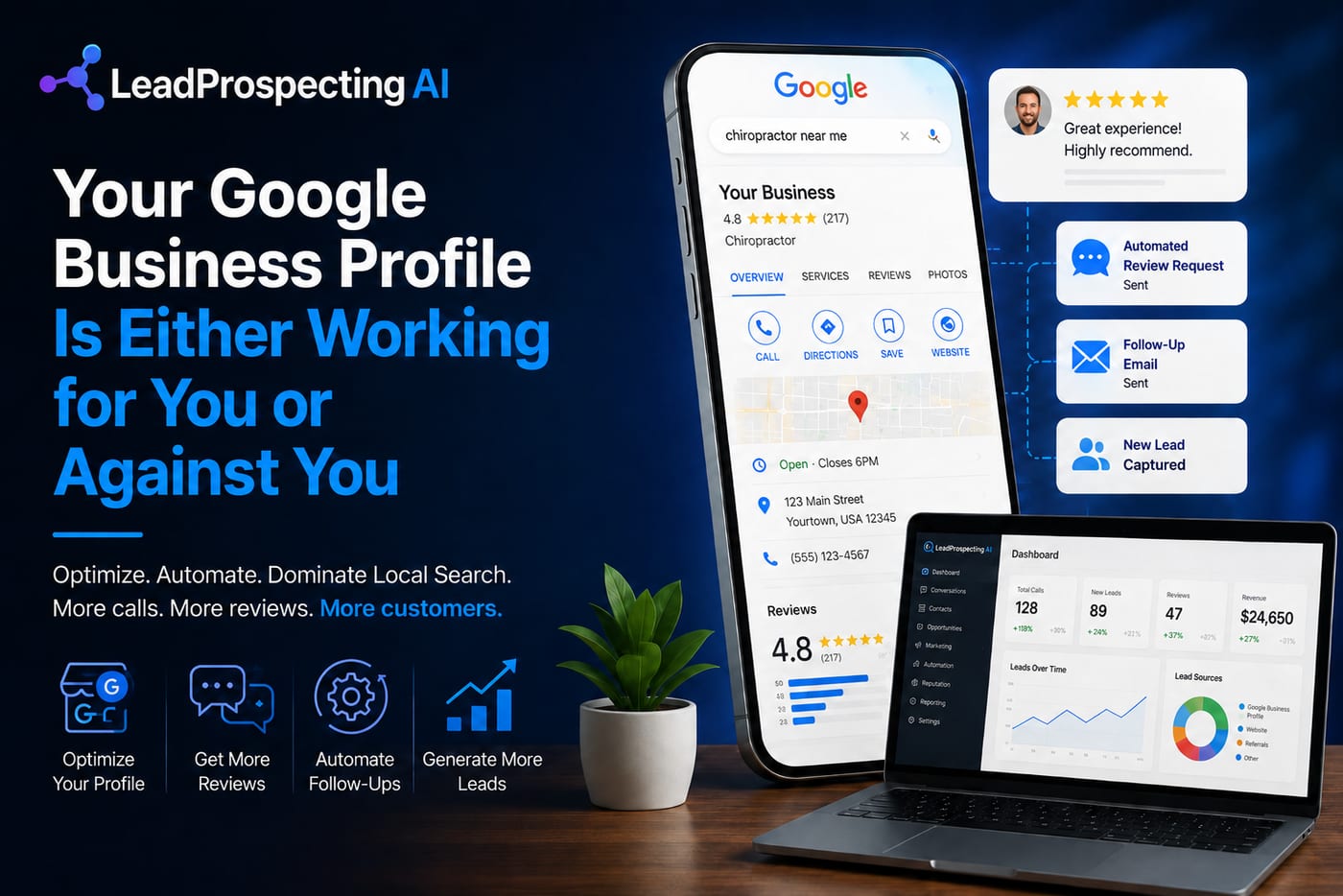
Did you know that 46% of all Google searches are looking for local information? If you’re running a small business, that statistic represents thousands of potential customers searching for services just like yours every single day in your local market.
The problem? Most small businesses are invisible online when locals search for them. They’re competing against big national companies with massive marketing budgets, and their generic websites get buried on page two (or worse) of Google results.
But here’s the good news: local content marketing levels the playing field. When you create blogs, FAQs, and case studies that speak directly to your local community and address regional needs, you don’t just improve your search rankings—you become the obvious choice for local customers.
In this guide, you’ll discover exactly how to use local content marketing to increase your visibility in your city and region, attract more qualified leads, and grow your business right in your backyard.
The Power of Local Content Marketing for Small Businesses
Traditional content marketing casts a wide net, hoping to catch anyone, anywhere. Local content marketing is different—it’s like using the perfect bait for the exact fish swimming in your local waters.
Think about it this way: A blog post titled “Best Roofing Materials for Your Home” competes with thousands of similar articles nationwide. But “Best Roofing Materials for Homes in [Your City’s] Climate”? That’s speaking directly to homeowners dealing with your region’s specific weather challenges and building requirements.
Local content marketing focuses on:
- Geographic relevance: Addressing your city and region specifically
- Community connection: Referencing local landmarks, events, and seasonal needs
- Neighborhood expertise: Positioning your business as the local authority
This approach doesn’t just improve your SEO—it builds trust. When potential customers see that you understand their specific location and challenges, you instantly become more credible than competitors using generic, one-size-fits-all content.
Blogging That Attracts Local Customers
Your blog is your opportunity to become the go-to expert for your industry in your local market. But generic blog posts won’t cut it. You need content that speaks directly to local needs and concerns.
Blog Content Strategies for Local Businesses:
Address Seasonal Challenges: Every region has unique weather patterns and seasonal considerations. Create content that helps locals navigate these challenges:
- “Preparing Your HVAC System for Summer Heat in [Your City]”
- “Why [Your Region] Homeowners Need Different Landscaping Than Other Areas”
- “Winterizing Your Business: Essential Steps for [Your Climate Zone]”
Reference Local Landmarks and Areas: Include familiar locations to create instant connection with your community:
- “Best Photography Spots for Weddings Near [Local Landmark]”
- “Serving Authentic Cuisine from Downtown [Your City] to [Nearby Areas]”
- “Home Security Solutions for [Your Region’s] Neighborhoods”
Cover Local Events and Community Happenings: Connect your business to what’s happening in the community:
- “Supporting Local: How [Your City] Businesses Can Partner for Community Events”
- “[Local Festival/Event]: Marketing Your Business During the City’s Biggest Celebration”
Here’s a powerful statistic: Companies that blog consistently generate 67% more leads than those that don’t. When you combine consistent blogging with local focus, those leads aren’t just higher in quantity—they’re higher in quality because they’re already in your service area.
FAQ SEO Strategy: Dominating Local Search Results
FAQs are SEO goldmines that most local businesses completely ignore. Google loves pulling FAQ content into featured snippets—those coveted answer boxes that appear at the top of search results. When someone in your city searches “Do I need a water softener in [Your City]?” and your FAQ appears in that featured snippet, you’ve just captured prime real estate in local search results.
How to Create FAQs That Rank in Local Searches:
Answer Location-Specific Questions: Think about what makes your area unique and create FAQs around those factors:
- “Is hard water a problem in [Your City] homes?”
- “What HVAC system works best in [Your Region’s] climate?”
- “Do I need special roofing for [Your Area’s] weather conditions?”
Address Local Regulations and Requirements: Every area has specific building codes, business licenses, and regulations:
- “What permits do I need for home renovation in [Your City]?”
- “How does [State] business licensing work for local companies?”
Solve Community-Specific Problems: Every area has unique challenges that you can address:
- “How do I protect my business from [Regional Weather Challenge]?”
- “What’s the best internet provider for [Your Area] businesses?”
The beauty of FAQ SEO strategy is that it captures people at the exact moment they’re searching for solutions. And when your FAQ answers their location-specific question, you’re not just providing information—you’re building trust and positioning yourself as the local expert.
Case Studies for SEO: Proving You Deliver in Your Market
Case studies serve double duty: they provide social proof that you deliver results, and they’re fantastic for SEO when structured correctly. But generic case studies don’t have nearly the impact of local ones.
A case study titled “How We Helped a Small Business Increase Sales” is forgettable. But “How [Your City] Family Restaurant Doubled Weekend Orders Using Our Online System” immediately captures the attention of other local restaurant owners facing similar challenges.
Structuring Local Case Studies for Maximum SEO Impact:
Problem: Start with a challenge that resonates with other local businesses
- “[Your Region] Plumbing Company Struggled with After-Hours Emergency Calls”
- “[Your City] Retail Store Losing Customers to Online Shopping”
Solution: Detail your approach while naturally including local keywords
- “We implemented a 24/7 customer service system specifically designed for [Your Area’s] service challenges”
- “Created an e-commerce solution that highlighted their [Your City] location advantage”
Results: Quantify success with specific, local context
- “Increased emergency service revenue by 40% across [Your Region]”
- “Grew local customer retention by 65% in the [Your City] market”
When you publish case studies featuring recognizable local businesses (with their permission), other business owners in your community immediately see themselves in those success stories. This makes your case studies incredibly effective for both SEO and lead generation.
Google Business Profile Optimization: Your Local Digital Storefront
Your Google Business Profile is often the first impression local customers have of your business. But most local businesses treat it as a “set it and forget it” afterthought. That’s a huge missed opportunity.
Google’s local ranking algorithm considers three main factors: relevance, distance, and prominence. While you can’t control distance (customers search from where they are), you can significantly influence relevance and prominence through strategic optimization.
Essential Profile Completeness:
Complete Every Field: Businesses with complete, accurate information are more likely to appear in local search results. Include your full address, phone number, business category, and details like parking availability or Wi-Fi access.
Verify Your Business: This tells Google you’re authorized to represent the business, making you more likely to appear in local searches. If you haven’t verified your location yet, do this immediately.
Keep Hours Updated: Regularly update both regular hours and special holiday hours. Local customers need to know when you’re open, especially during community events or seasonal changes.
Content Marketing Integration:
Post Blog Snippets: Every time you publish a new blog post, create a Google Business Profile post sharing the key insights. This keeps your profile active and drives traffic to your full content.
Share FAQ Answers: Turn your most popular FAQ responses into Google Business Profile posts. When someone searches “[Your Service] near me,” they might see your post answering common local questions right in their search results.
Highlight Local Case Studies: Use Google Business Profile posts to showcase your local success stories. “Just helped another [Your City] business increase their online visibility by 200%!”
Include Local Photos: Add photos that showcase your local presence—shots of your team at recognizable locations, your work vehicle in your service area, or your office with local landmarks in the background.
Build Prominence Through Reviews:
Respond to Every Review: Replying to customer reviews shows you value feedback and helps build prominence. This is especially important for local businesses where word-of-mouth travels quickly through the community.
Encourage Positive Reviews: More reviews and positive ratings directly improve your local ranking. Don’t be afraid to ask satisfied local customers to share their experience online.
Fresh, local content on your Google Business Profile signals to Google that you’re active and relevant to local searches. This increases your chances of appearing in the Local Pack—those three businesses that show up with map listings when someone searches for services in your area.
For additional optimization strategies, check out Google’s comprehensive guide at support.google.com/business.
A Simple Content Strategy for Local Small Businesses
Content marketing doesn’t have to be overwhelming. Here’s a straightforward approach that works for local businesses:
Monthly Content Calendar:
- Week 1: Publish a local-focused blog post addressing seasonal concerns
- Week 2: Add 2-3 new FAQs to your website answering location-specific questions
- Week 3: Create a case study featuring a local customer success story
- Week 4: Update your Google Business Profile with highlights from the month’s content
Content Themes by Season:
- Spring: Preparation and renewal (landscaping, business planning, spring cleaning services)
- Summer: Maintenance and outdoor activities (HVAC, event planning, tourism)
- Fall: Preparation for winter (weatherization, year-end business planning)
- Winter: Indoor focus and holiday business (heating, retail, professional services)
Remember, consistency matters more than perfection. A local business that publishes one community-focused blog post per month will outrank competitors who publish sporadically or use generic content.
The key is to always ask yourself: “How does this specifically help someone in my local market?” If you can’t answer that question, refine your content until you can.
If managing all of this feels overwhelming, consider how an all-in-one business platform like LeadProspecting.ai can streamline your content creation, website management, and local SEO strategy, letting you focus on what you do best—serving your local customers.
Local SEO Content Marketing FAQs: Everything You Need to Know
What is content marketing for local businesses and why does it matter?
Content marketing for local businesses means creating blogs, FAQs, and other content specifically for people in your city and region. Instead of competing nationally, you focus on dominating local search results. This matters because 46% of Google searches have local intent, and local customers are more likely to convert since they can actually visit your business.
How often should local businesses post blog content?
Aim for at least one blog post per month, but weekly is ideal if you can manage it. Consistency is more important than frequency. A local business posting monthly content that’s locally relevant will outperform competitors posting daily generic content.
What are the best examples of FAQ SEO strategy for local service companies?
Focus on questions that combine your service with local factors: “Do [Your City] homes need special insulation?” or “What’s the best landscaping for [Your Region’s] climate?” These capture high-intent local searches and often appear in featured snippets.
Do case studies really help with SEO or just sales?
Both! Case studies featuring local businesses naturally include local keywords and geographic terms that improve your search rankings. Plus, they provide social proof that converts visitors into customers. It’s a win-win for your local marketing strategy.
How should local businesses use Google Business Profile optimization?
Post regularly (weekly if possible) with local content highlights, respond to all reviews, use local photos, and keep your hours and information updated. Share snippets from your blog posts and FAQ answers to keep your profile active and relevant for local searches.
What’s the fastest way to increase local search visibility without paid ads?
Focus on Google Business Profile optimization first, then add location-specific FAQ content to your website. These two strategies can show results within 30-60 days and directly target “near me” searches from local residents.
Should local small businesses write their own content or outsource it?
It depends on your time and writing skills. If you know your local market well, writing your own content ensures authenticity. However, if writing isn’t your strength, consider outsourcing to someone who understands your local area—local context is crucial for effective content marketing.
How can a local business use FAQs to rank higher on Google?
Create FAQs that answer common questions about your service in your city specifically. Use natural language that matches how people actually search. For example, “Why is my air conditioner struggling in [Your City’s] heat?” instead of generic technical explanations.
What type of case studies work best for local SEO?
Case studies featuring recognizable local businesses or situations work best. Include specific results, mention your city or nearby areas naturally, and focus on problems that other local businesses face. The more relatable to your local audience, the better.
Is local content marketing more important than social media for local visibility?
Local content marketing typically provides better long-term results for search visibility, while social media is better for immediate community engagement. The ideal approach combines both: create local-focused content for your website, then share and discuss it on social media to engage with your local community.
Ready to Dominate Local Search in Your Market?
Creating consistent, local-focused content while managing your business can feel overwhelming. Between writing blogs, optimizing your Google Business Profile, creating case studies, and handling day-to-day operations, something’s bound to slip through the cracks.
That’s where LeadProspecting.ai comes in. Our all-in-one platform helps local businesses streamline their entire digital marketing strategy—from creating professional websites that rank locally to automating follow-ups with new leads.
Get everything you need to grow your local presence:
- Professional website creation with local SEO built-in
- Automated lead capture and follow-up systems
- Social media scheduling to keep your local audience engaged
- Online appointment booking for easy customer scheduling
- All integrated into one simple platform
Ready to see how LeadProspecting.ai can help your local business get found by more customers in your area? Start your free trial today—no credit card required.