Every Monday morning, I check our email unsubscribe reports. Unlike most marketers who wince at each lost subscriber, I celebrate the ones who leave. This isn’t self-sabotage. It’s smart business.
After working with hundreds of small businesses building email marketing systems, I’ve seen the same pattern repeat: businesses obsessing over list size while their actual revenue stays flat. They celebrate hitting 5,000 subscribers while quietly ignoring that only 200 people open their emails. The other 4,800? Dead weight actively hurting their business.
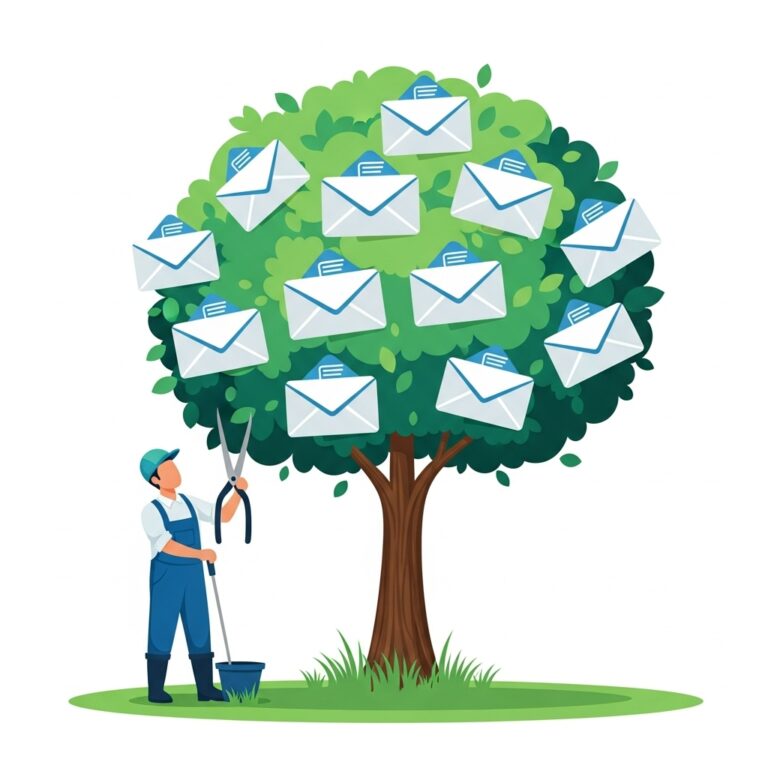
The uncomfortable truth about email marketing is that your worst subscribers cost you money. They damage your sender reputation, drag down your engagement metrics, and distort your understanding of what’s actually working. Every unengaged subscriber on your list is like keeping expired inventory on your shelves; it takes up space, looks impressive to outsiders, but generates zero revenue.
This is why LeadProspecting AI takes a different approach to email list management. We build our CRM around quality over quantity, helping small businesses maintain clean, engaged subscriber lists that actually convert. Because in email marketing, the relationship between you and your subscribers matters infinitely more than the raw number of email addresses you’ve collected.
Here’s what most email marketing platforms won’t tell you: the unsubscribe link isn’t your enemy. It’s your secret weapon for building a list that actually makes you money.
What’s the Real Problem with Treating All Email Subscribers the Same?
Why Does a 10,000-Person Email List Sometimes Perform Worse Than 1,000?
Sarah runs an HVAC company and was proud of her 8,000-subscriber email list. When we started working together, she’d send monthly newsletters that generated maybe three phone calls. She assumed email marketing “just doesn’t work” for contractors.
Then we looked at her engagement data. Only 847 people had opened an email in the past six months. The other 7,153 subscribers were functionally dead, but they weren’t harmless.
Here’s what was happening: every time Sarah sent an email to 8,000 people with only 847 opening it, her engagement rate was 10.6%. Email service providers like Gmail and Outlook use engagement rates to determine if you’re a legitimate sender or a spammer. Her low engagement triggered spam filters, meaning even the 847 engaged subscribers weren’t reliably receiving her emails.
After cleaning her list and removing unengaged subscribers, her new 900-person list generated engagement rates around 45%. Suddenly, her emails started landing in inboxes instead of spam folders. Phone calls from email campaigns jumped from three per month to twelve.
The math is brutal but clear: a smaller, highly engaged list can outperform a massive, unengaged one. Consider these two scenarios; the difference isn’t just in numbers, it’s in revenue and inbox placement.
| Metric | Large List (8,000 Subscribers) | Smaller, Engaged List (900 Subscribers) | Key Takeaway |
|---|---|---|---|
| Subscribers | 8,000 | 900 | Size isn’t everything; engagement matters more |
| Engagement Rate (Opens) | 10% | 45% | Smaller lists often outperform large ones if engagement is higher |
| Number of Opens | 800 | 405 | More opens don’t equal more revenue if emails aren’t delivered to the inbox |
| Inbox Placement / Deliverability | Low: emails likely hit spam or promotions folder | High: emails land in primary inbox | High engagement protects the sender’s reputation |
| Email Platform Cost | Higher: paying for 8,000 subscribers | Lower: paying for 900 subscribers | Cleaning your list saves money on email platform fees |
| Revenue Generated | Lower than expected: only a few calls or conversions | Higher: more meaningful conversions per email | Quality subscribers drive revenue, not raw list size |
| Risk to Sender Reputation | High: unengaged subscribers trigger spam filters | Low: active subscribers maintain a good reputation | List hygiene protects your ability to reach customers |
As you can see, keeping your email list clean isn’t just about reducing numbers; it directly impacts revenue, deliverability, and the overall health of your marketing efforts.
What’s the Hidden Cost of Every Unengaged Subscriber You Keep?
Most small businesses don’t realize that email marketing platforms charge based on subscriber count, not engagement. If you’re paying for 5,000 subscribers but only 1,000 ever open your emails, you’re paying 5x more than necessary.
Beyond direct costs, unengaged subscribers damage your sender reputation. Internet Service Providers track whether your emails get opened, how quickly they’re deleted, and how often they’re marked as spam. When you send emails to 3,000 people who never engage, those providers start treating all your emails as spam, even for the subscribers who actually want to hear from you.
Think of it like throwing a party. If you invite 100 people and only 15 show up consistently, you don’t keep inviting the other 85. You focus on the 15 who value being there. Email works the same way. Your engaged subscribers deserve emails that actually reach their inbox, and unengaged subscribers prevent that from happening.
Small businesses operating with tight marketing budgets can’t afford to waste money emailing people who don’t want to hear from them. LeadProspecting AI helps businesses identify unengaged subscribers and make smart decisions about list maintenance, ensuring every marketing dollar goes toward reaching people who actually care.
How Does Making It Easy to Unsubscribe Actually Help Your Business?
Why Should You Actively Want Uninterested People to Leave Your Email List?
Most email marketing advice tells you to make unsubscribing difficult, hide the link, use a tiny font, require multiple clicks, ask for reasons, and create friction. This is short-term thinking that destroys long-term success.
When someone wants to unsubscribe but can’t easily find the link, they have two options: ignore your emails forever (hurting your engagement rates) or hit the “report spam” button. A single spam complaint damages your sender reputation more than 100 unsubscribes. One spam report tells email providers, “This sender is sending unwanted mail.” Providers respond by filtering future emails to spam for everyone.
Making unsubscribes easy accomplishes three critical things. First, it preserves your sender reputation by preventing spam complaints. Second, it builds trust with subscribers who stay; they know they could leave anytime, but choose not to. Third, it gives you accurate data about who actually values your content.
We’ve built our email systems in LeadProspecting AI with prominent, one-click unsubscribe links in every email. Not hidden in fine print. Not requiring explanations or multiple confirmations. Just respect people’s time and inbox. This transparency tells subscribers: we care more about delivering value to people who want it than inflating our subscriber count with people who don’t.
The businesses that thrive with email marketing aren’t the ones with the biggest lists. They’re the ones with the most engaged lists. Encouraging uninterested people to leave is how you build engagement.
What Does Your Unsubscribe Process Tell Subscribers About Your Values?
Your unsubscribe experience is often someone’s last interaction with your business. Make it painful, and you’ve confirmed why they wanted to leave. Make it respectful, and you’ve planted a seed for potential future business.
A one-click unsubscribe that immediately confirms they’re removed tells subscribers several things: you respect their decision, you’re not desperate to keep them against their will, and you’re confident enough in your value that you don’t need to guilt-trip people into staying.
Some businesses add a brief, optional feedback form asking why someone unsubscribed. This works only when it’s genuinely optional and includes choices like “getting too many emails” or “content isn’t relevant to me right now.” Never require feedback to complete the unsubscribe process; that’s just another manipulation tactic that breeds resentment.
We’ve worked with businesses that recovered previously unsubscribed customers months or years later. Why? Because the respectful unsubscribe experience left a positive final impression. When their situation changed, and they needed services again, they remembered being treated well even when leaving.
Trust compounds over time, and every interaction, including unsubscribes, either builds or depletes it. The businesses that treat departing subscribers with respect are the ones that build long-term reputations worth more than any individual email list.
How Does List Quality Impact Your Actual Marketing Results?
What Happens to Your Metrics When You Remove Unengaged Subscribers?
The counterintuitive math of email marketing: cutting your list in half often doubles your revenue. Here’s why.
Email service providers prioritise delivery to engaged subscribers. When your open rates climb from 15% to 40% because you’ve removed dead weight, providers start treating you like a legitimate sender instead of a potential spammer. Your emails land in primary inboxes instead of promotions folders or spam.
Open rates, click-through rates, and conversion rates all improve simultaneously when you remove unengaged subscribers. A smaller, engaged list receives better inbox placement, which drives higher engagement, which further improves inbox placement. This creates a virtuous cycle that dead-weight subscribers actively prevent.
Real example: A law firm had 4,200 subscribers with 12% average open rates. After removing subscribers who hadn’t opened an email in four months, their list dropped to 1,800, but open rates jumped to 38%. More importantly, consultation bookings from email campaigns increased from two per month to seven. Same effort, same email content, but reaching people who actually read it.
Beyond vanity metrics, revenue attribution becomes clearer with engaged lists. You can confidently say “email marketing generated $15,000 in new business this quarter” instead of wondering if your 5,000-person list is contributing anything at all.
How Does Email List Hygiene Directly Protect Your Business Revenue?
Domain reputation determines whether your emails reach customers. Damage it, and you’ve effectively shut down an entire marketing channel.
When spam complaints accumulate, email providers start filtering all your emails, including transactional messages like appointment confirmations, receipts, and password resets. Imagine losing the ability to send customers their service confirmations or invoices. That’s the risk of ignoring email list hygiene.
The CAN-SPAM Act and GDPR regulations carry serious penalties for businesses that don’t honor unsubscribe requests. Fines start at hundreds of dollars per violation and scale rapidly. A small business that ignores 50 unsubscribe requests faces potential fines exceeding $20,000. Maintaining clean lists isn’t just good practice; it’s legal protection.
Beyond compliance, clean lists provide accurate data for business decisions. When you know your 2,000-person list has a 35% open rate and generates $8,000 monthly, you can confidently invest in email marketing. When you have a 6,000-person list with unknown engagement generating unclear revenue, you can’t make informed decisions about where to allocate marketing budget.
LeadProspecting AI includes built-in email list hygiene tools that identify unengaged subscribers, track engagement patterns over time, and help small businesses maintain lists that actually drive revenue instead of just consuming resources.
What’s the Right Way to Manage Email Subscribers Who Aren’t Engaging?
How Can You Identify Subscribers Who Will Probably Never Convert?
Not all unengaged subscribers are lost causes, but patterns tell you who’s worth keeping versus who’s actively hurting your list.
The four-month rule: If someone hasn’t opened an email in four months despite receiving regular communications, they’re statistically unlikely to ever engage again. Their email address may have changed, they may have set up filters sending you directly to trash, or they simply aren’t interested. Keeping them damages your sender’s reputation without providing any upside.
Before removing unengaged subscribers, send a re-engagement campaign. A simple email asking “Do you still want to hear from us?” with a clear call-to-action to stay subscribed gives people one final chance to indicate interest. Those who don’t respond get removed.
Segmentation prevents premature removal of valuable subscribers who engage differently. Someone who only opens emails about specific services might seem unengaged if you’re only tracking overall open rates. LeadProspecting AI helps businesses segment by topic interest, ensuring you don’t accidentally remove subscribers who care deeply about specific offerings.
Geographic and industry-specific indicators matter too. A subscriber who signed up for local service information but moved across the country three months ago will never convert. Better to let them unsubscribe than keep emailing someone with zero chance of becoming a customer.
What Targeting Strategy Actually Reduces Unsubscribes While Increasing Conversions?
The fastest way to reduce unsubscribe rates is to stop adding unqualified subscribers in the first place.
Businesses often chase large email lists through giveaways, contests, and downloaded generic content. This builds massive lists of people who wanted a free thing, not ongoing communication. When you start sending regular emails, they unsubscribe immediately or worse, mark you as spam despite opting in.
Quality targeting starts before someone subscribes. Clear messaging about what they’ll receive (frequency, content type, value proposition) ensures only interested people join. Setting expectations during signup reduces future unsubscribes by 40-60% according to our data across hundreds of clients.
Segmented content to different subscriber groups prevents the “not relevant to me” unsubscribes. Someone interested in HVAC maintenance shouldn’t receive plumbing promotions. Small businesses using LeadProspecting AI‘s segmentation features report unsubscribe rates dropping from 2-3% per campaign to under 0.5% while conversion rates climb.
Double opt-in confirmation, requiring subscribers to confirm via email before joining your list, dramatically improves list quality. Yes, it reduces the total number of subscribers. But those who complete double opt-in are engaged, interested, and valuable. A 1,000-person double opt-in list outperforms a 5,000-person single opt-in list every time.
Prioritise relevance over reach. Send fewer emails to fewer people, but make every email genuinely valuable to its specific recipients. This approach builds trust, maintains high engagement, and prevents the unsubscribe spiral that comes from blasting everyone with everything.
Bottom Line
The email marketing industry has spent decades teaching businesses to obsess over subscriber count while ignoring subscriber quality. This backwards approach costs small businesses real money through wasted email platform fees, damaged sender reputations, and missed revenue from emails landing in spam folders.
Encouraging uninterested people to unsubscribe isn’t giving up on email marketing; it’s embracing what actually works. Clean, engaged email lists generate higher open rates, better deliverability, clearer revenue attribution, and stronger customer relationships than massive lists full of dead email addresses.
LeadProspecting AI builds email marketing systems around this truth: quality subscribers who engage with your content are worth infinitely more than vanity metrics that look good but generate nothing. Our CRM helps small businesses maintain the kind of lists that actually drive revenue instead of just consuming marketing budget. If you’re ready to stop paying for subscribers who don’t care and start investing in ones who do, we should talk.
FAQ
Why should I want people to unsubscribe from my email list? Unengaged subscribers damage your sender reputation, reduce deliverability for engaged subscribers, increase your email platform costs, and prevent you from understanding what’s actually working. Encouraging uninterested people to leave protects your business and the subscribers who actually care.
How often should I clean my email list? Review engagement data quarterly and remove subscribers who haven’t opened an email in four months. Send a re-engagement campaign first, giving people one final chance to indicate interest before removal.
Will removing subscribers hurt my email marketing results? No, it improves them. Smaller engaged lists consistently outperform larger unengaged lists in open rates, click rates, conversions, and revenue generation. Your remaining subscribers receive better inbox placement and you gain clearer data about what’s working.
What should my unsubscribe process include? A clear unsubscribe link in every email footer, one-click removal without requiring explanations, immediate confirmation they’ve been removed, and optionally a brief feedback form that’s never required to complete the unsubscribe.
How do unsubscribes affect my sender reputation? Unsubscribes minimally impact sender reputation. Spam complaints from people who can’t find your unsubscribe link severely damage it. Making unsubscribes easy prevents spam complaints and protects your ability to reach engaged subscribers.
What engagement rate should I expect from a healthy email list? Healthy email lists typically see 25-45% open rates depending on industry and audience. If your open rates are consistently below 20%, you likely have list quality issues requiring attention.
Can I re-add someone who previously unsubscribed? No, never re-add someone who unsubscribed. This violates CAN-SPAM and GDPR regulations, can result in fines, and will likely generate spam complaints that damage your sender reputation.
How does LeadProspecting AI help with email list management? LeadProspecting AI includes built-in engagement tracking, automated list hygiene recommendations, segmentation tools for targeted messaging, and compliance features ensuring your unsubscribe processes meet legal requirements while maintaining list quality.
For field service companies, here’s the good news: combining LeadProspecting AI with FieldServ AI makes managing engaged email lists simple and profitable.