A customer's water heater fails at 7 PM on a Tuesday. They grab their phone, search for a plumber, and call the first number that looks credible. It rings four times and drops to voicemail. They hang up without leaving a message, call the next company on the list, and book with whoever picks up.
You never knew that call happened. The revenue is gone anyway.
This is the quiet way most service businesses lose money. Not through bad work or high prices, but through a phone that goes unanswered while the owner is on a roof, under a sink, or asleep. AI receptionist software exists to close that gap. Here is what the problem actually costs, what this category of tool does, and where it fits in a service business.
The missed call problem is bigger than owners think
Most owners believe they are reachable. The phone number is on the website, the truck, and the Google Business Profile. Customers can just call.
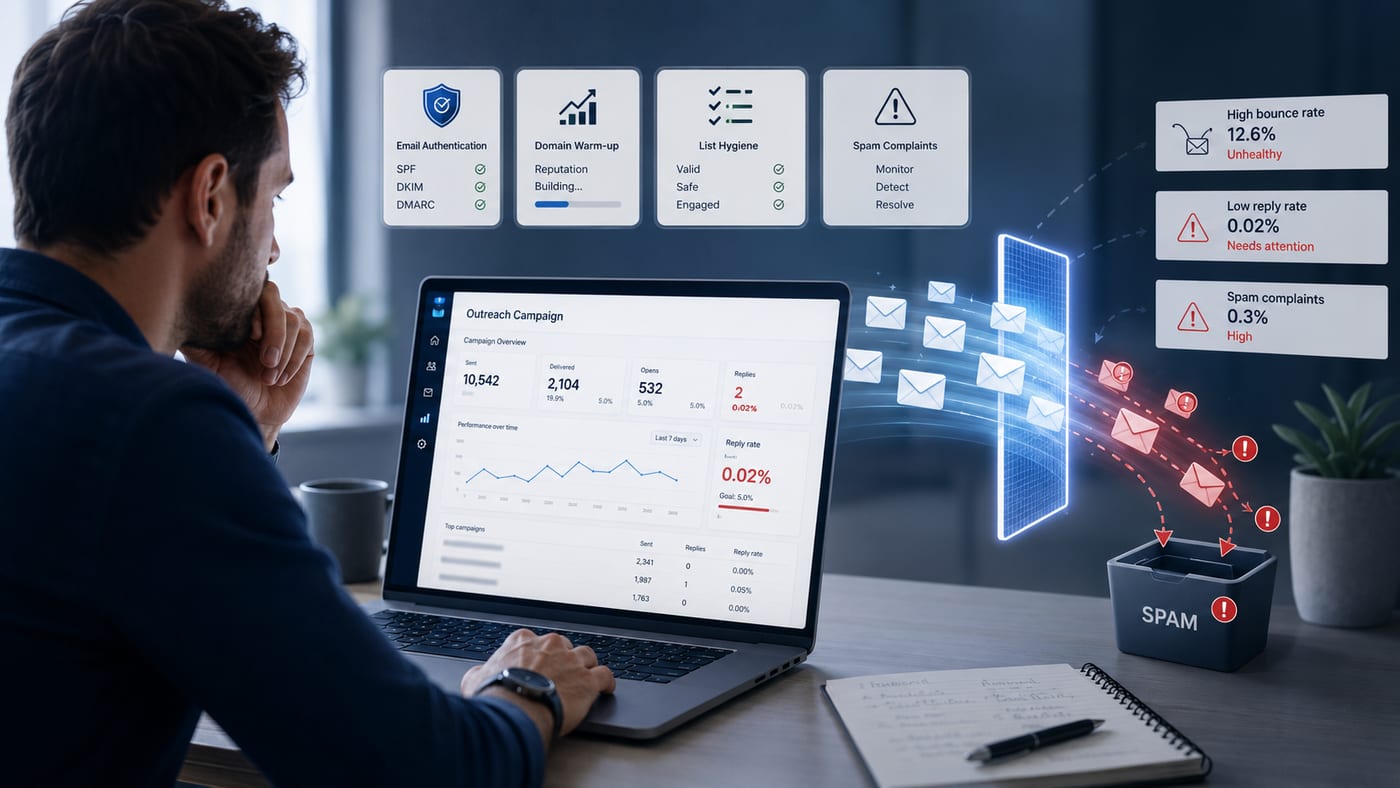
The data says otherwise. A widely cited study by 411 Locals tracked 85 businesses across dozens of industries and found they answered fewer than four in ten incoming calls, which means nearly two-thirds of callers never reached a person. Call-analytics company Invoca has reported that home service businesses miss roughly a quarter of their inbound calls, with each missed call worth around $1,200 in lost work for trades like plumbing and HVAC.
The trouble concentrates exactly where it hurts most: after hours and during peak demand. Industry compilations on the HVAC trade suggest that a majority of after-hours calls to contractors go unanswered, even though most of those calls are urgent. Roughly 40% of appointment requests come in outside standard business hours, when there is no one at a desk to catch them.
A missed call is not a neutral event. It is a high-intent buyer handing themselves to whichever competitor answers first.
Voicemail does not save the lead
The instinct is to lean on voicemail as a safety net. It is not one. Studies consistently find that around 80% of callers who reach voicemail hang up without leaving a message, and younger customers in particular treat voicemail as a dead end because they expect a real-time response.
Even when a business calls back, the window has usually closed. The landmark speed-to-lead research conducted by Dr. James Oldroyd and published in Harvard Business Review found that contacting a lead within five minutes makes a business 21 times more likely to qualify that lead than waiting just 30 minutes, and 100 times more likely to reach them at all. A voicemail returned the next morning is not competing for the job. It is documenting a loss.
That is the real issue. The problem is not only the calls you miss, but the speed you cannot hit once you do call back. This is the same dynamic that drives the hidden cost of slow, manual lead follow-up, and the phone is where it starts.
What an AI receptionist actually is
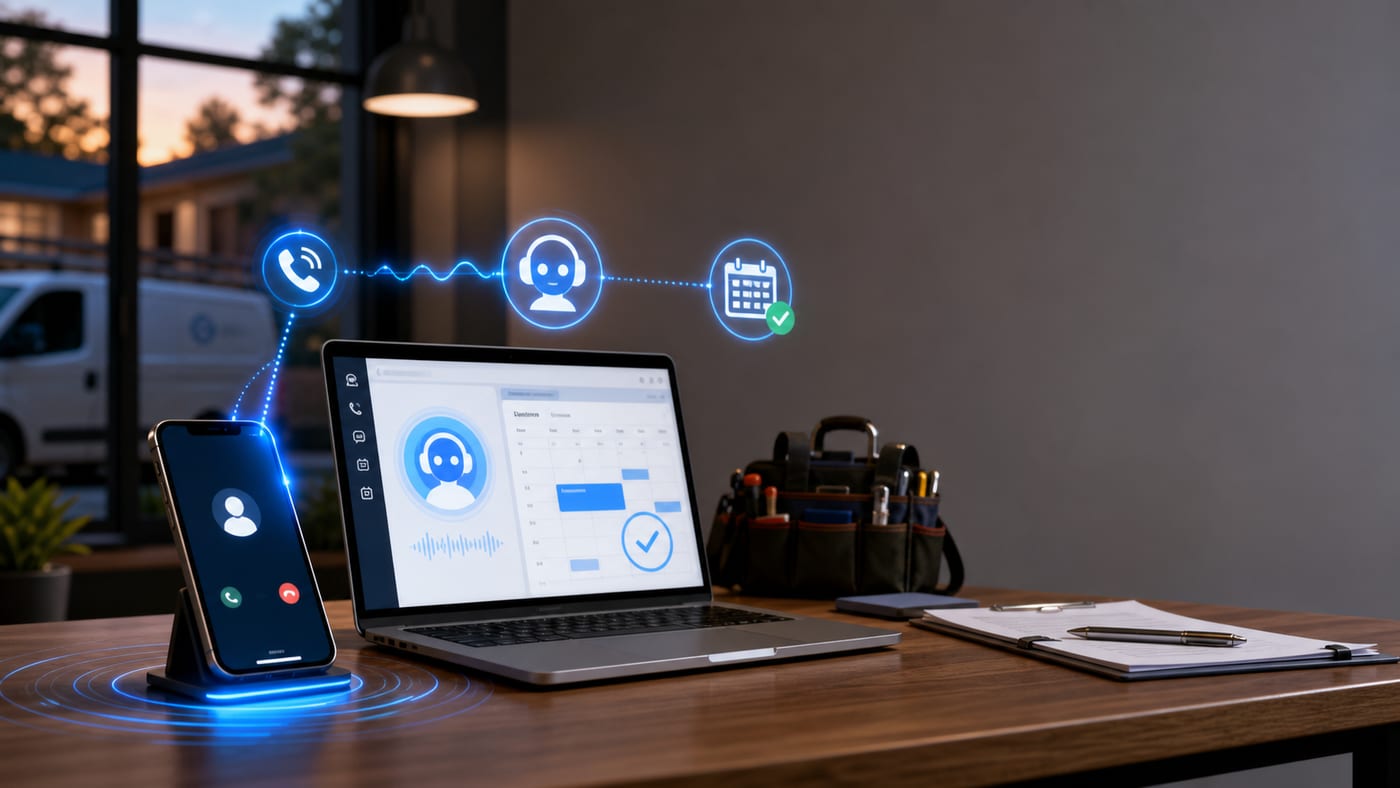
An AI receptionist is software that answers your business phone, holds a natural spoken conversation with the caller, and completes the task they called about, all without a human picking up. It lives on your business line and answers in two or three rings, day or night.
It is worth being precise here, because the term gets blurred with older tools. An AI receptionist service is not a phone tree, and it is not a basic answering service that takes a message. Three capabilities separate a real AI receptionist from those:
It completes the outcome inside the same call. Instead of saying someone will get back to you, it checks live availability and books the appointment then and there.
It handles real conversation. A caller can change their mind, ask what you charge, or pivot mid-sentence, and the system follows along instead of breaking.
It writes to your system of record. The booking lands on your actual calendar and the caller's details flow into your CRM, rather than sitting in a queue for someone to retype later.
The technology has moved well past the robotic menus of a few years ago. The virtual receptionist market reached an estimated $4.64 billion in 2026 and is projected to more than double over the following decade, which is a fair signal that the tools have become good enough for businesses to trust with live customers.
What it does for a service business
For a plumber, electrician, HVAC company, or any trade that runs on inbound calls, a capable AI receptionist covers the work a front desk would, plus a few things a human front desk cannot.
It answers every call, 24/7, including the 7 PM Tuesday emergency and the Saturday morning rush. It books, reschedules, and confirms appointments directly on your calendar. It answers routine questions about hours, service areas, and pricing using your real business information. It qualifies the caller and routes genuine emergencies to you while handling the routine bookings on its own. It takes several calls at once during peak season, so a flood of spring or storm calls does not overwhelm a single line.
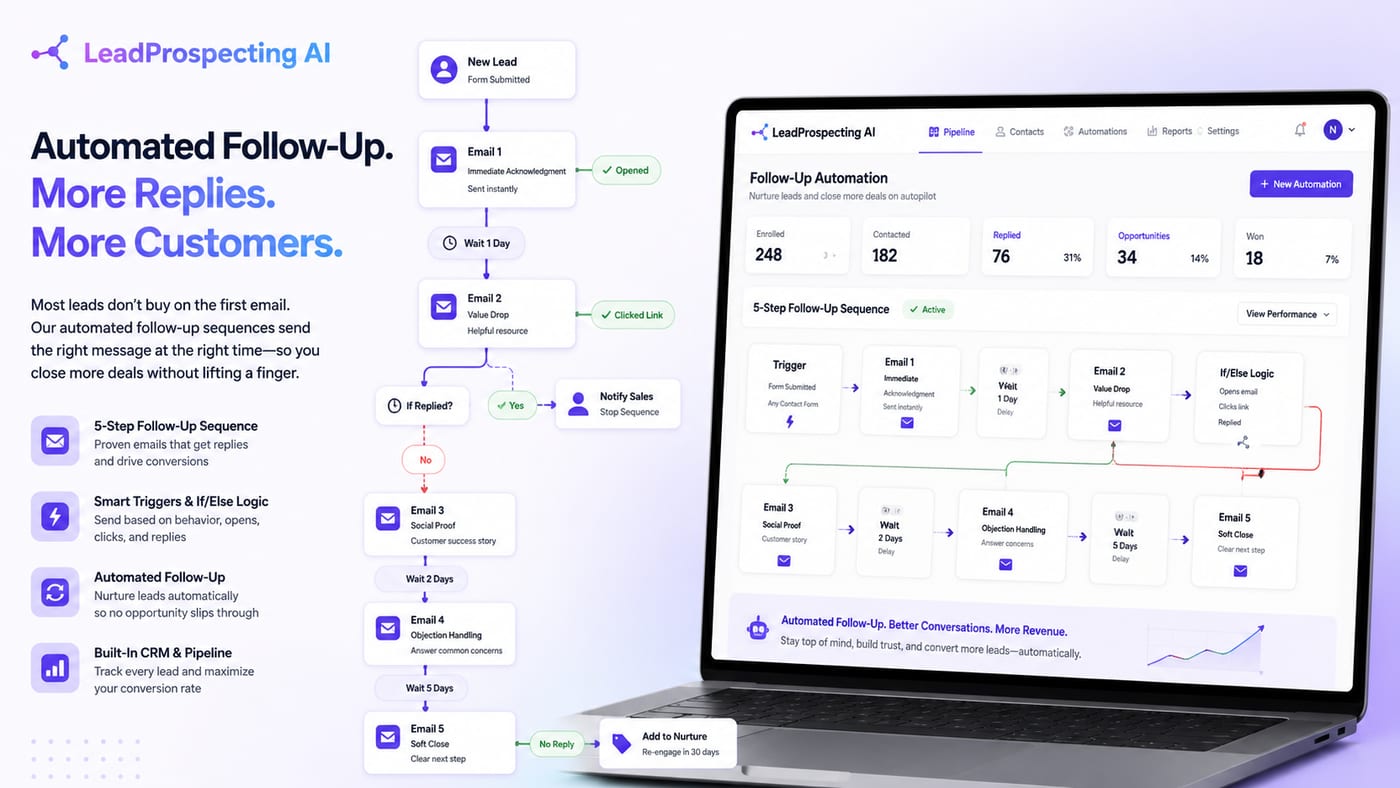
The downstream effects matter as much as the answered call. Automated reminders and confirmations typically cut no-show rates by 25% to 40%, which protects the bookings you already won. And because the caller's information is captured the moment they reach out, the rest of your follow-up can actually run on time. Catching the call is step one. The five-step workflow that should fire after a booking is what turns it into repeat revenue.
AI receptionist service versus a human or an answering service
This is not an argument for firing your front desk. It is about coverage and cost.
A human receptionist answers during business hours, takes breaks, and is expensive to staff around the clock. A traditional answering service mostly takes messages, which still leaves you with the callback delay that the speed-to-lead research shows is so costly. An AI receptionist sits between them on price and ahead of both on availability, because it never sleeps and never sends a caller to voicemail. For a full cost comparison, we broke down AI voice receptionist pricing against the cost of hiring separately.
The honest answer for most service businesses is a hybrid. Let the AI handle the routine, high-volume, after-hours, and overflow calls, and keep a human in the loop for complex quotes, upset customers, and the judgment calls that still need a person. The goal is not to replace the human touch. It is to make sure no caller ever hits a dead line.
Where AI receptionists still need a human
Worth saying plainly, because overselling this helps no one. AI receptionists are strong at structured, repeatable calls: booking, basic questions, qualifying, routing. They are weaker at emotionally charged conversations, unusual one-off requests, and anything that needs real negotiation or empathy. A good setup recognizes its own limits and hands those calls to a person cleanly, rather than frustrating the caller by pretending. Choose a system that escalates gracefully, and train it on your actual pricing, policies, and service area so it speaks for your business accurately.
The bottom line
Every unanswered ring is a high-intent customer choosing your competitor in real time, and voicemail does not catch them. An AI receptionist turns the call you would have missed into a booked job, protects the bookings you already have, and gives your team back the hours they spend chasing the phone. For a service business that lives and dies on inbound calls, that is not a luxury. It is the front door.
Stop sending customers to voicemail
LeadProspecting AI includes an AI Receptionist that answers every call around the clock, books appointments straight to your calendar, and routes the urgent ones to you, all connected to the same CRM that runs your follow-up. See how many calls you are losing, and start capturing them instead. Start a free trial and put a 24/7 front desk on your business line this week.
Frequently Asked Questions
What is AI receptionist software? AI receptionist software is a tool that answers your business phone with conversational AI instead of voicemail. It greets the caller, understands what they need in natural speech, answers routine questions, and completes tasks like booking an appointment, all without a human picking up. Unlike a phone menu or a message-taking service, it is built to finish the outcome on the call.
How is an AI receptionist different from a regular answering service? A traditional answering service mostly takes a message and passes it along, which leaves you with a callback delay. An AI receptionist service completes the booking or routes the call in real time, checks your live calendar, and logs the caller's details to your CRM. That speed matters, because contacting a lead within five minutes makes you far more likely to win the job than calling back even half an hour later.
Will an AI receptionist sound robotic to my customers? Modern systems hold natural, multi-turn conversations and sound far more human than the phone trees of a few years ago. The key is setup: train the system on your real pricing, hours, and service area, and configure it to hand off gracefully to a person for complex or sensitive calls. Used that way, most routine callers get a fast, accurate answer instead of a voicemail beep.
Can an AI receptionist book appointments after hours? Yes. This is where it earns its place. Around 40% of booking requests arrive outside business hours, and most callers will not leave a voicemail. An AI receptionist answers those calls overnight and on weekends, books the appointment on your calendar, and confirms it, so the lead is captured while your team is off the clock.
Does an AI receptionist replace my staff? For most service businesses, it complements rather than replaces. The AI handles routine, after-hours, and overflow calls so nothing goes to voicemail, while your team focuses on complex quotes, in-person work, and the conversations that need human judgment. The result is full coverage without staffing a front desk 24/7.